
Energy & performance
Fatigue that lasts: what to look for before reaching for supplements
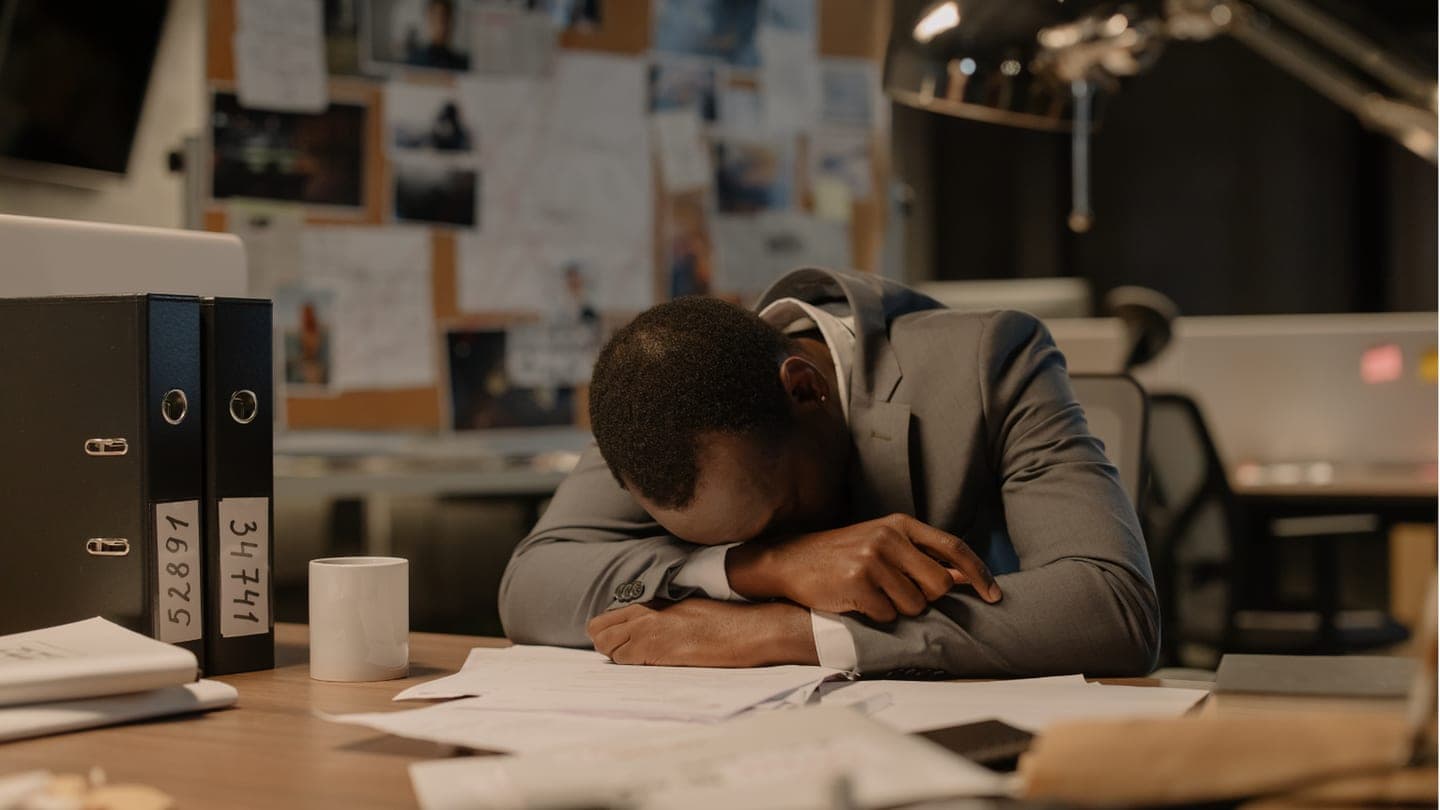
Fatigue that persists for weeks and doesn't yield to rest is neither a lack of willpower nor a fate of the times: it is a signal, and it usually has an identifiable cause. The useful approach is therefore to look for that cause before stacking supplements — all the more so as the commonest causes can be corrected. Here is the order in which to explore them, the blood work that makes sense, and a distinction many pages blur: chronic fatigue and chronic fatigue syndrome are not the same thing.
Three situations not to confuse
Normal fatigue follows effort, a dense period, a bad night — and yields to rest. It calls for nothing but rest.
Chronic fatigue lasts more than six months, resists sleep and affects daily life. It is a symptom, not a diagnosis: it names a state, not its cause.
Myalgic encephalomyelitis, or chronic fatigue syndrome (ME/CFS), is a distinct, recognised illness. Its cardinal sign is not fatigue but post-exertional malaise: a marked worsening of symptoms twelve to forty-eight hours after even modest effort, with abnormally slow recovery. That distinction is decisive, because it entirely changes what to do — more on this below.
The causes, by frequency
1. Sleep, in quantity and quality
First: how many hours, how regularly? Then quality. Undiagnosed sleep apnoea is one of the leading causes of resistant fatigue — snoring, breathing pauses noticed by others, daytime sleepiness despite long nights. It can be screened and treated. Our advice on sleeping better covers sleep hygiene.
2. Deficiencies
Iron deficiency leads, especially in menstruating women, regular blood donors and people on plant-based diets. Low ferritin tires you well before anaemia appears. Then come vitamin B12 — vegetarians, vegans, prolonged acid-suppressing treatment, metformin — and vitamin D, insufficient in much of the population in winter.
3. The thyroid
Hypothyroidism combines fatigue, feeling cold, slowing, weight gain, dry skin. A TSH test is enough to raise it. It is common and entirely treatable.
4. Depression and anxiety
Fatigue is among the most consistent symptoms of depression, and is sometimes its main manifestation, ahead of sadness itself. When loss of interest, disturbed sleep and slowing are added, the avenue should be explored early — not after six months of supplements.
5. Post-infection states
Fatigue settling in after a viral infection, notably following Covid or glandular fever, is documented. It often improves with time but warrants medical follow-up, particularly if post-exertional malaise appears.
6. Lifestyle
Sedentariness — fatigue feeds itself through deconditioning —, alcohol, insufficient or unbalanced eating, dehydration, and conversely overtraining. A permanently tired athlete sometimes simply lacks recovery or calories; that is the subject of our article on recovery supplements.
7. Less common medical causes
Diabetes, coeliac disease, kidney or liver impairment, inflammatory disease, medication side effects — beta-blockers, antihistamines, statins in some patients. Rare but real, they are reason enough not to face lasting fatigue alone.
The blood work that makes sense
Simple first-line blood work orients most situations. To discuss with your doctor: full blood count, ferritin, TSH, fasting glucose, CRP, electrolytes and creatinine, liver enzymes, vitamin B12 and vitamin D.
Two useful notes. Ferritin beats serum iron, which fluctuates more. And a low-but-in-range value — under 30 µg/L — can be enough to tire: the figure is discussed, not merely compared to a threshold.
What helps, once causes are excluded
- Sleep regularity before duration: a fixed wake time does more than a catch-up lie-in.
- Progressive physical activity: counter-intuitive, but the best-documented intervention against deconditioning fatigue. Start short — ten minutes of walking — and build slowly.
- Enough protein at each meal, and enough calories: prolonged restriction is tiring.
- Morning light, which supports the sleep-wake rhythm and daytime alertness.
- Splitting the load: alternate effort and pause rather than holding on until collapse.
Our guide to regaining energy naturally details these protocols.
An important caveat on exercise
The progressive-activity advice applies to ordinary fatigue. It does not apply where post-exertional malaise suggests ME/CFS: in those patients, pushing through effort can worsen the condition lastingly, and international recommendations have shifted accordingly. The rule then becomes energy management — staying below the threshold that triggers worsening — not training.
If modest effort puts you in bed the next day or the day after, do not apply the exercise advice in this article, and speak to a doctor.
What supplements can and cannot do
They never replace correcting a cause: when iron is lacking, only iron solves it, on medical advice and with a test — iron supplementation without a proven deficiency is not harmless.
That said, several nutrients carry, in the EU claims register, an explicit contribution to the reduction of tiredness and fatigue: vitamins C, B2, B3, B5, B6, B9 and B12, along with iron and magnesium. These are authorised claims, unlike anything promising to « boost energy ».
Among plants and mushrooms, cordyceps is studied for exercise tolerance, with modest effects seen mostly in untrained people, and rhodiola for stress-related fatigue. The data stay limited: these are supports, never answers to unexplained fatigue.
When to seek care promptly
- fatigue lasting more than a month with no obvious explanation;
- unintended weight loss, persistent fever, night sweats, swollen glands;
- breathlessness on exertion or pallor, chest pain, palpitations;
- bleeding, black stools, very heavy periods;
- post-exertional malaise as described above;
- lasting sadness, loss of interest, dark thoughts.
These situations call for medical examination, not a lifestyle tweak. Scientific reference material on fatigue and its causes is available from France's Inserm. A food supplement does not replace a varied, balanced diet or a healthy lifestyle, and it neither prevents, treats nor cures any disease.
Where to start
In order: two weeks of regular sleep with alcohol paused, then blood work if nothing shifts, and only then the possible addition of support. That order avoids masking a treatable cause behind partial improvement.
If the work-up is normal and what you want is a hand with vitality, our POWER gummies combine cordyceps and B vitamins, and the Performance & Vitality collection gathers the relevant formulas. The BIEN quiz helps place your need.
Frequently asked questions
When does fatigue become abnormal?
When it lasts more than a few weeks, doesn't yield to rest and affects daily life. Beyond a month with no obvious explanation, medical advice and blood work are warranted.
What blood tests should I ask for?
Full blood count, ferritin, TSH, fasting glucose, CRP, electrolytes and creatinine, liver enzymes, vitamins B12 and D. Ferritin is more informative than serum iron, and a low-but-in-range value can already tire you.
Are chronic fatigue and chronic fatigue syndrome the same?
No. Chronic fatigue is a symptom with many possible causes. ME/CFS is a distinct illness whose cardinal sign is post-exertional malaise: worsening twelve to forty-eight hours after effort, with very slow recovery.
Should you exercise when exhausted?
For ordinary deconditioning fatigue, yes, progressively: it is the best-documented intervention. But not where post-exertional malaise suggests ME/CFS, in which effort can worsen the condition lastingly. The distinction is essential.
Which supplements for fatigue?
Vitamins C, B2, B3, B5, B6, B9, B12, iron and magnesium carry an authorised claim on contributing to the reduction of tiredness. They never replace correcting a cause: iron deficiency is treated with iron, on medical advice.
Can low iron tire you without anaemia?
Yes. Low ferritin can cause fatigue, breathlessness on exertion and concentration difficulties well before haemoglobin falls. That is why measuring ferritin is more useful than a blood count alone.
Going further
Boost your physical and mental performance with natural supplements tailored to your energy and vitality needs.