
Ingredients & science
Ashwagandha: real benefits, dosage and the precautions worth knowing
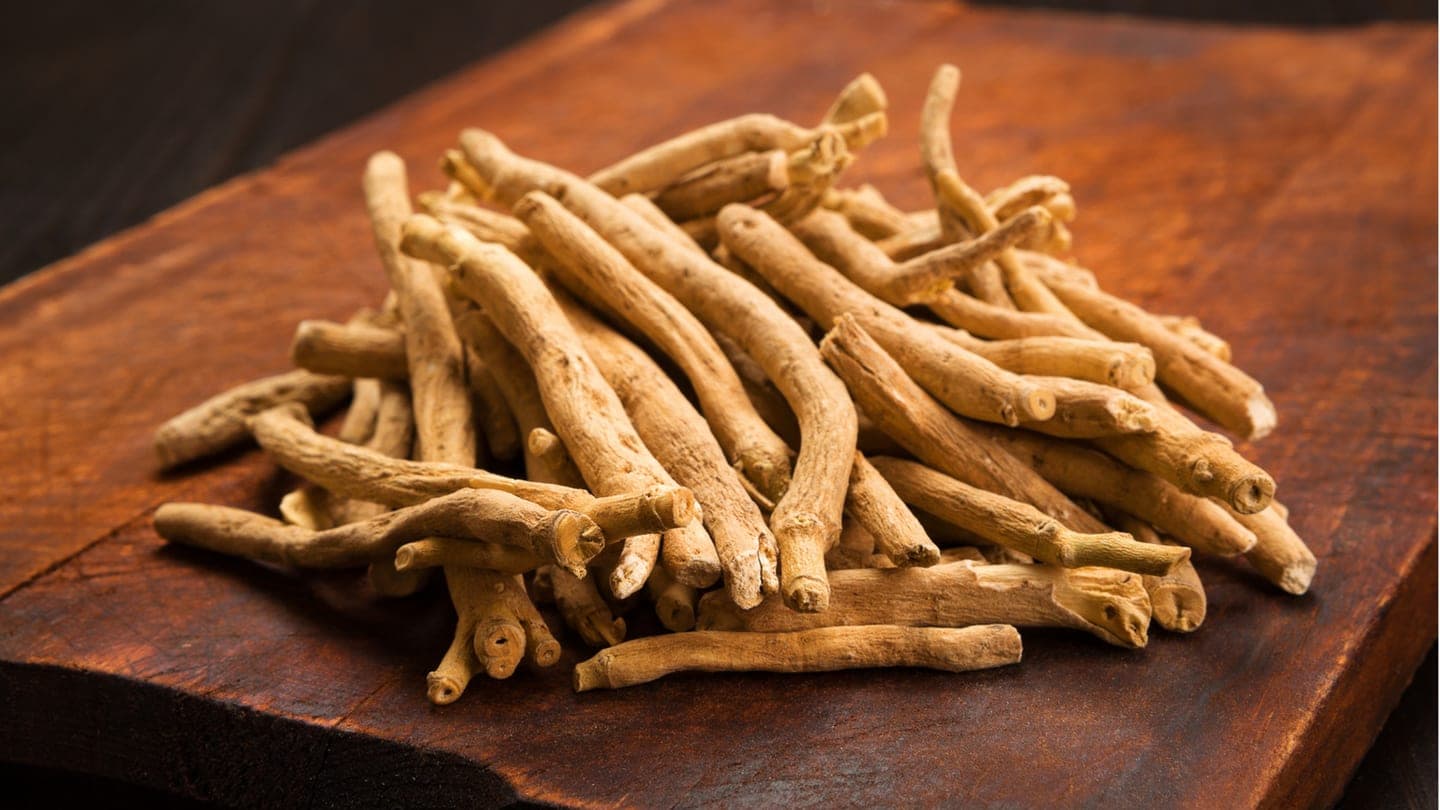
Short answer: ashwagandha (Withania somnifera) is the best-documented adaptogen for stress, with several controlled trials showing lower cortisol and lower perceived-stress scores after eight weeks. It is also the one demanding the most caution — pregnancy, thyroid, liver, ongoing treatment — and that part is often left unsaid. Here are both sides of the file, dose and duration included.
What ashwagandha is
Ashwagandha is a shrub of the dry regions of India and North Africa, whose root is used. Its Sanskrit name means « smell of horse », referring both to the fresh root's odour and to the vigour it is said to confer. Ayurvedic medicine has used it for more than two millennia as a rasayana, a general tonic.
It belongs to the adaptogens: plants that help the body absorb strain, without acting as direct stimulants.
The mechanism: withanolides and the stress axis
The active compounds are withanolides, steroidal lactones concentrated in the root. An extract's quality is measured by their content.
Their documented action targets the hypothalamic-pituitary-adrenal axis, the command chain regulating cortisol. Under prolonged stress that axis races, and cortisol stays high all day where it should peak on waking then fall. Withanolides appear to temper that response — hence the effect seen on perceived stress, rather than any direct sedation. Our article on cortisol and stress covers the mechanism.
What the clinical trials show
Stress and cortisol
This is the firmest ground. Several randomised controlled trials, indexed on PubMed, report lower serum cortisol and improved perceived-stress scores after eight weeks, at 300 to 600 mg of standardised extract a day.
Sleep
Meta-analyses conclude to a modest improvement in sleep quality, clearer in people with insomnia than in good sleepers, from 600 mg a day and over at least eight weeks. The effect likely runs through reduced stress-related arousal, not through hypnotic action.
Strength and recovery
A few trials in athletes report gains in strength and maximal oxygen uptake. Samples are small and protocols heterogeneous: a lead, not a settled fact.
The limits, which need stating
The ashwagandha literature carries three recurring biases: samples often under a hundred participants, a majority of studies run in one country and frequently funded by extract manufacturers, and subjective measurement scales. The effect is real and consistent, but its size is probably overstated by the most-cited papers.
Choosing an extract: what changes everything
Two products both stating « ashwagandha 500 mg » may have nothing in common. Three things to check:
- Withanolide content, given as a percentage. Serious extracts state between 1.5% and 5%. Plain, non-standardised root powder contains far less: the stated dose then means something else entirely.
- The part used: root alone, as tradition has it, or root and leaf. Leaves concentrate more withaferin A, a more potent compound less studied in prolonged use.
- Traceability: origin, heavy-metal testing. Grown in dry soil, the root makes contamination a genuine issue, which serious manufacturers control.
Dose, timing and duration
Studies mostly use 300 to 600 mg of standardised extract a day, in one or two doses. Beyond that, nothing indicates added benefit, and digestive side effects become more common.
Timing follows the goal: daytime for stress, evening if sleep is the main target. Ashwagandha is not a sleeping pill — taking it at night doesn't knock you out, it lowers the arousal that keeps you awake.
On duration, allow four weeks before expecting change and eight weeks to judge. Trials rarely run past three months: absent data on very prolonged use, a break after two to three months is a sensible precaution.
Safety: the point few pages mention
Ashwagandha is generally well tolerated, the commonest side effects being mild and digestive. But cases of liver injury have been reported in several European countries, enough for health authorities to act: some states have restricted its sale, and in France ANSES has called for caution through its nutrivigilance scheme.
These cases remain rare relative to the number of consumers, and causality is not established in every report. That does not make them negligible: stop taking it and seek care promptly in case of unusual fatigue, persistent nausea, dark urine, or yellowing of the skin or eyes.
None of this argues against the plant. It simply recalls that a natural product is still an active one: a substance able to act on a hormonal axis is equally able to cause adverse effects, and deserves the attention given to a medicine.
Contraindications
- Pregnancy: firmly not recommended, an abortifacient effect being traditionally described. Breastfeeding: insufficient data.
- Thyroid disorders: ashwagandha can raise thyroid hormones, a problem in hyperthyroidism or on replacement therapy.
- Autoimmune disease and immunosuppressant treatment: medical advice essential.
- Liver disease, hepatitis, heavy alcohol use: to be avoided, given the reports above.
- Sedatives, anxiolytics, antidepressants: risk of potentiation. Scheduled surgery: stop two weeks before.
Like any food supplement, it does not replace a varied, balanced diet or a healthy lifestyle, and it neither prevents, treats nor cures any disease. No health claim is authorised for ashwagandha in the EU register: botanical claims are « on hold » pending evaluation under Regulation (EC) No 1924/2006.
When to see a healthcare professional
An adaptogen accompanies ordinary stress; it has no place against an established disorder. See someone if anxiety stops you functioning day to day, if insomnia has lasted more than a month, in case of persistent loss of interest, dark thoughts, or unexplained physical symptoms — palpitations, weight loss, tremor — which may point to a thyroid problem rather than mere stress.
Ongoing treatment changes things too: your doctor or pharmacist, not a web page, is who can judge an interaction.
What matters as much as the plant
No extract offsets an unmanageable mental load. The most effective levers on cortisol remain regular sleep, moderate physical activity, morning light exposure and slow breathing — a few minutes are enough to bring arousal down. We cover them in our guide to managing stress naturally and our advice on sleeping better.
Ashwagandha at BIEN
It is one of the actives in our CALM gummies, alongside reishi and saffron. Exact dosages appear on the product page and on the Ingredients page — a figure every brand should display, and which is missing more often than you would think.
To know whether it is the right route for you, the BIEN quiz asks a few questions, and the Serenity collection gathers the relevant formulas.
Frequently asked questions
How much ashwagandha per day?
Trials use 300 to 600 mg of standardised extract a day. Beyond that no added benefit is demonstrated and digestive upset becomes more frequent. Check it is an extract standardised in withanolides, not plain root powder.
Morning or evening?
Daytime if the goal is stress, evening if it is sleep. It is not a sleeping pill: it doesn't send you to sleep, it lowers the arousal that keeps you awake.
How long before it works?
Four weeks before expecting change, eight to judge. Trials measuring a fall in cortisol generally run eight weeks.
Is ashwagandha dangerous for the liver?
Cases of liver injury have been reported in Europe and led several health authorities to call for caution. They remain rare and causality isn't always established, but they justify avoiding the plant with liver disease and stopping immediately in case of unusual fatigue, nausea or dark urine.
Can you take it continuously?
Trials rarely exceed three months, and very prolonged use isn't documented. A break after two to three months is a sensible precaution.
Who should avoid it?
Pregnant or breastfeeding women, people with a thyroid disorder, autoimmune or liver disease, and anyone on sedatives, anxiolytics or immunosuppressants without medical advice. Stop two weeks before surgery.
Going further
Soothe the mind, release tension and restore deep, restorative sleep.